Buying a villa with an olive grove in Italy
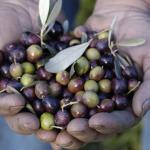
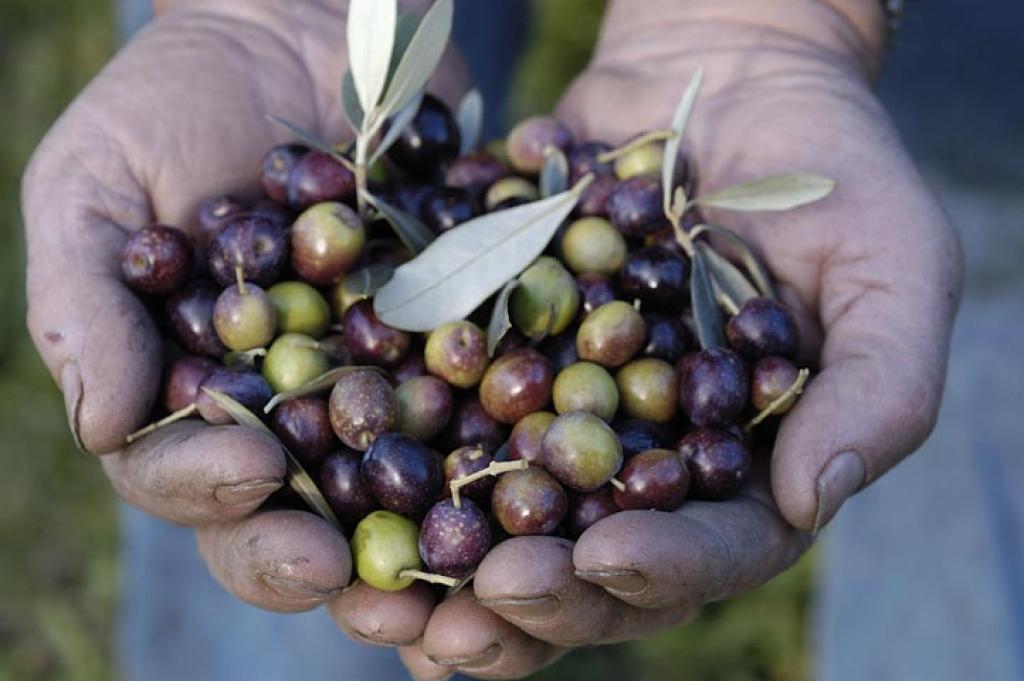
There is an image familiar to many people who are seriously considering buying a property in Italy: early in the morning, with the light still soft, you walk through rows of old olive trees, their silvery-green leaves trembling in the gentle breeze. In autumn, the harvest takes place; the fruit is taken to the local frantoio, and a few weeks later, your own olive oil is on the table. Green-gold in colour, fruity, with a slight peppery note on the finish.
This dream is real – and it is achievable. But like any dream that meets everyday life, it deserves honest consideration. What does it mean, legally, to own an olive grove? What does maintenance cost, what does the harvest yield, what are you allowed to do with the oil? And what really matters when buying such a property?
This article answers all these questions – without shattering the dream, but with the respect for reality that a well-considered decision deserves.
Why estates with olive groves are in such high demand
Demand for properties with their own olive groves has risen significantly in recent years – particularly from German-speaking countries. The reasons are complex and go far beyond the romanticised image. Firstly, there is the emotional dimension: a house with an olive grove is not merely a consumer good. It is a living piece of land that demands attention, work and a connection – and in return offers something that can scarcely be measured in monetary terms. Many buyers describe the olive grove as the real reason behind their decision and the house as merely an accessory.
However, a more pragmatic view is also possible: in many regions of Italy, properties with agricultural land are cheaper than purely residential properties of comparable quality – because they require a specific type of buyer who is prepared to look after the land as well. Those who are willing to do so often get more for their money.
And finally, there is a growing group of people who seek not only aesthetic appeal in an olive grove, but also a form of self-sufficiency and a sense of purpose. Producing their own oil, sharing it with family and friends, or selling it in small quantities – for many buyers, this is a concrete life plan, not merely a fantasy.
What all three groups have in common is that they often underestimate what owning an olive grove entails legally, practically and financially. And that is where this article comes in.
Buying an olive grove – what this means legally
Anyone buying a property with olive trees generally acquires two different types of land at the same time: built-up land (building land) on which the residential building stands, and agricultural land (Italian: terreno agricolo) on which the olive trees stand. This distinction is not merely formal – it has far-reaching legal consequences:
Agricultural land in the land register: In Italy, agricultural land is subject to its own set of regulations. As a rule, it may not be built on – exceptions do exist, but these are subject to strict conditions. Anyone planning to erect an outbuilding or construct a shed for harvesting equipment when purchasing such land must carefully check the planning permission requirements.
Farmers’ right of first refusal: In Italy, neighbouring farmers and tenants have a statutory right of first refusal when agricultural land is sold, known as the ‘diritto di prelazione agraria’. This right must be formally considered during the sale – the seller is obliged to offer the land to the entitled parties on the same terms. Only if they waive this right or fail to respond within the statutory period may the sale proceed to another buyer. If this right is infringed, the entitled party may challenge the sale within one year.
For buyers, this means that clarifying whether a right of first refusal exists and whether it has been properly dealt with is an essential part of due diligence. An experienced notary and a local solicitor are not optional here, but necessary partners.
Land-use classification: In Italy, olive trees are often found on plots classified as ‘zona agricola E’ – the most restrictive category in the local planning scheme. In this zone, changes of use, new builds and even certain demolition works are strictly limited. Anyone wishing to renovate or extend their property must be familiar with the specific regulations of the relevant local council.
<H3>Producing olive oil – what it really entails
The dream of producing your own olive oil is one of the most wonderful aspects of owning a country estate in Tuscany. And it is achievable – provided you know what you’re getting yourself into.
Depending on the location, the harvest takes place between October and December; in Tuscany, it is traditionally from late October to mid-November. The window is narrow: Olives that are left on the tree for too long or are not processed quickly after harvesting lose a noticeable amount of quality. For a private grove with 50 to 200 trees – the typical size for holiday homes and small estates – electric comb harvesters are the most practical solution. Harvesting by hand is gentler on the fruit but laborious; large harvesting machines only become cost-effective with significantly more trees.
What does this mean in practical terms? Depending on the variety and the year, a fully grown, healthy tree yields between 15 and 50 kilograms of olives, which, with a yield of 12 to 18 per cent, produces around 2 to 8 litres of oil. An olive grove with 100 trees therefore produces roughly between 200 and 800 litres per year – in good years, mind you. This is because olive trees are subject to what is known as alternate bearing: a bountiful harvest, a poor harvest, a bountiful harvest. This is not a problem, but simply nature.
Anyone who doesn’t have their own mill – and this is the norm for private groves – takes their harvest to the local frantoio. The processing fee is between 10 and 18 euros per 100 kilograms, so for a harvest of 3,000 kilograms, the total cost is around 300 to 600 euros. In Tuscany, most frantoi operate using the so-called ‘conto terzi’ method: everyone gets their own oil back; it is not a mixed batch. For anyone who values quality, this is crucial.
The bottom line: making your own olive oil is not a passive investment, but a seasonal project involving real effort – and real results.
Personal consumption vs. sale – what is permitted?
Anyone who uses the oil from their own grove for their family, as a gift for friends or simply for personal consumption is doing everything right – and need not worry at all about trading licences, labelling or product registration.
The situation is different as soon as money comes into play. What many people imagine – selling a few bottles to holidaymakers or friends – is not legal without a business registration, no matter how small the quantity. Food legislation does not recognise a de minimis threshold in this regard.
Anyone wishing to market their product seriously needs an agricultural business number (CUAA) and must label their oil properly: origin, bottling date, variety, best-before date. The bureaucratic effort is manageable, but it is there. Anyone wishing to additionally market the oil as extra virgin olive oil must have chemical and sensory limits verified. This costs between 200 and 500 euros per year for laboratory tests and certification – only worthwhile if there is a genuine marketing strategy behind it and not just the hope of somehow recouping production costs.
In short: personal consumption and giving as gifts – straightforward. Selling – possible, but with clear rules.
Olive varieties – why they matter more than the location
One aspect that is rarely discussed when buying property with olive groves yet has a significant impact on yield and oil quality, is the olive variety.
In Tuscany, the Frantoio olive dominates – fruity, with pronounced pungency and bitterness, ideal for high-quality extra virgin olive oils. It is demanding to cultivate and less productive than other varieties, but the first choice for quality producers.
Leccino and Moraiolo are further standard Tuscan varieties. Leccino is more frost-resistant and higher-yielding, whilst Moraiolo produces a more intense, polyphenol-rich oil.
In other regions of Italy – Liguria, Umbria, Calabria, Apulia – different varieties dominate, each with their own specific requirements in terms of care and harvesting.
Why is this relevant when buying? Because a grove with old, neglected trees of a demanding variety may yield very little in the first season and require intensive care. A grove with robust, well-established trees, on the other hand, can produce from the very first year. Visiting an olive grove, ideally accompanied by a local agricultural technician (agronomo), is an investment that pays off.
Care and maintenance – what is required throughout the year
An olive grove does not run itself. The most important annual task is pruning between February and April – without regular pruning, fruit production declines, harvesting becomes more difficult and the trees become more susceptible to disease. Professional pruning by local farmers costs between 5 and 15 euros per tree, depending on the scope of the work. Added to this is soil maintenance – mulching or mowing to manage weeds and drought – and, in warmer areas, often an irrigation system (installation costs: 2,000 to 10,000 euros). The greatest biological threat is the olive fruit fly, which can significantly reduce the harvest and oil quality. Whether biological traps or targeted spraying – a local agronomist knows the best strategy for the specific situation.
Not there all the time? Here’s how it works anyway
Anyone who doesn’t live in Italy all year round faces a practical question: who looks after the grove when you’re not there yourself? Pruning in February and harvesting in October rarely coincide with the typical holiday schedule. The tried-and-tested solution is a local caretaker or agricultural tenant who takes over the entire management of the property for an annual flat fee of roughly 800 to 2,000 euros – sometimes in exchange for a share of the harvest. Those who want an even simpler arrangement lease the land to a local farmer, who in return keeps the oil or hands over a portion of it. For owners whose priority is living there, this is often the most pragmatic solution.
What to check carefully when buying
You view a property with an olive grove differently from a purely residential property. While old trees are aesthetically valuable, they may require intensive care after years of neglect before they become productive again. Water rights and water availability are crucial in dry summers and are regulated differently from region to region – be sure to check this when buying. Access to the grove must also be suitable for small tractors and harvesters; this is no minor detail. Furthermore, in some municipalities, olive trees are protected from felling, which may restrict structural alterations. In addition, with agricultural land, there is always the question of pre-emptive rights – this too forms part of thorough due diligence prior to purchase.
<H3>Who is really suited to buying a villa with an olive grove?
A villa with an olive grove is not a property for everyone. It is the right choice for people who fit the following profile or aspire to do so:
- You enjoy a connection with the land and view working in the grove not as a chore, but as a rewarding experience.
- They can either spend a lot of time on site themselves or have the budget and the willingness to hire a reliable local manager.
- They understand that an olive grove is not a passive investment, but a living system that requires attention.
- And you have realistic expectations regarding yield and profitability – producing your own oil is not a business model, but a measure of quality of life.
On the other hand, anyone primarily looking for a holiday home that requires no maintenance whatsoever, and who regards the olive grove merely as a pretty backdrop, will derive little pleasure from an unkempt and unproductive property.
Conclusion – the dream can come true if you go about it the right way
Owning a property with an olive grove in Italy is one of the most wonderful property dreams – and it is achievable. What distinguishes it from a disappointment is the preparation: an understanding of agricultural law, a realistic calculation of maintenance costs and harvest yields, the right choice of region, and prudent safeguards during the purchase process.
Anyone who buys with their eyes wide open and accepts the grove for what it is – a living, demanding and deeply satisfying part of life in Italy – will find that their first batch of homemade olive oil is worth more than its weight in gold.