Selling homes to foreigners: the facts
Demand for selling homes to foreigners is rising sharply, though there are also many opposing factors and concerns. According to industry reports, such as those from the Italian Revenue Agency and ISTAT – which provide reliable data – a significant proportion of property transactions in recent years have involved foreign buyers. These are people looking for homes, particularly in tourist areas.
The main buyers come from Germany, the United Kingdom, France, the Netherlands and also the United States. Meanwhile, the most sought-after areas include Tuscany, Liguria, Lake Como, Puglia and certain cities of art.
Most sought-after properties: what are they really looking for?
Do you want to sell a property to foreign clients? Then you need to understand market preferences, but also rely on professionals because the buying and selling processes differ, as do the rules on capital movements, and you need to win their trust. Not everyone has millions of euros to invest; many of these clients simply want to move to Italy for work, a change of lifestyle, or to set up a tourism ‘business’.
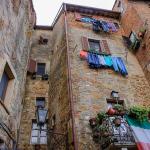
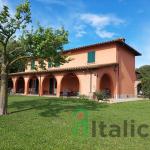
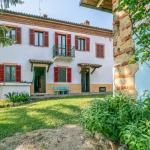
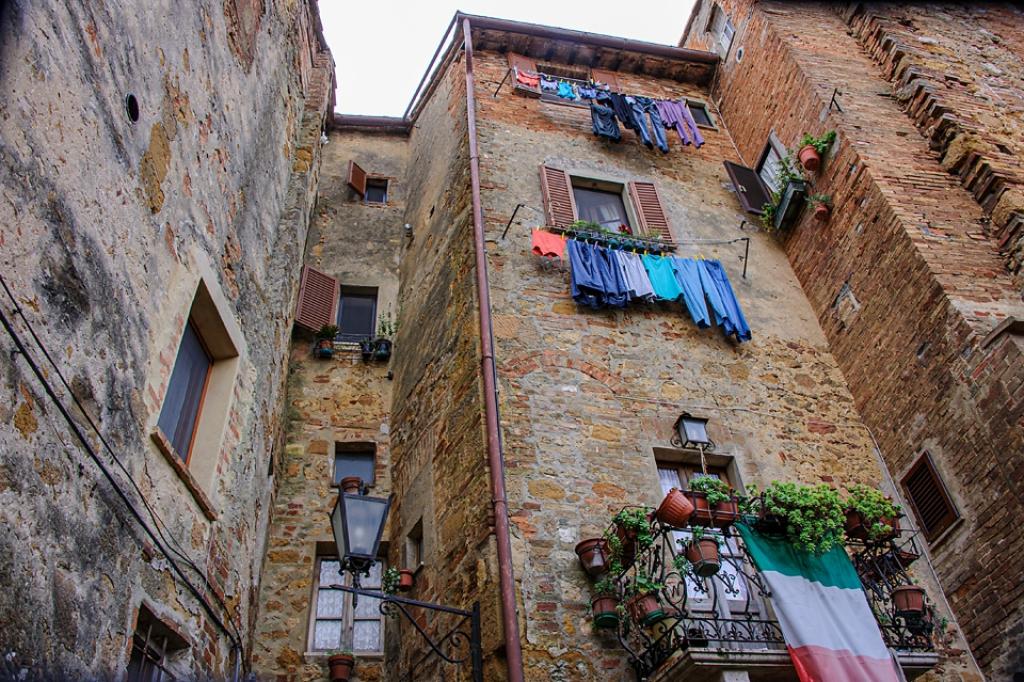
Let’s start with preferences: what do foreigners like? They opt for homes with sea, lake or countryside views. Some specifically want to live surrounded by nature, in the Mediterranean scrub. The preferred architectural styles are historic properties or typical ones such as farmhouses in need of renovation or those located in the oldest villages. However, bear in mind that Florence, Rome and Venice are popular destinations for property investment, with the potential to offer short-term rentals.
Legal and tax considerations, negotiations and strategies
When selling a property to foreign buyers, it is important to comply with the relevant regulations. This includes verifying the source of funds, both to comply with Italian anti-money laundering laws and to ensure the financial transaction is handled correctly. The notarial deed must be drawn up in Italy. Do not underestimate the importance and complexity of the buyer’s documents, as well as any official translations. This is why it is essential to rely on a true professional who may even speak several languages to avoid translation issues during negotiations.
There are also clear differences compared to the Italian market. Here, we place an advert and off we go – we find buyers. Whereas for foreigners, it’s different. They place great emphasis on the quality of the property and lose interest if negotiations drag on. They want clear, verifiable documents straight away. Furthermore – and this is crucial – they want the properties to be ‘turnkey’; the moment they sign, you must hand over the keys.
Based on the data and interviews, it is also evident that foreign clients consider it important that there are no structural, building or energy-related issues that have not been disclosed during the negotiation phase.
Let’s now turn to strategy, because many people ask themselves: why can’t I sell my house to foreigners looking for a good investment? One of the main mistakes lies in the adverts. You need adverts in English, French or German, as these are the most promising buyers. High-quality professional photographs taken from specific angles are essential. Detailed descriptions of the area – that is, the location of the property – and perhaps even the quality of local amenities. It remains vital to rely on specialist agencies.
Understanding the needs of prospective buyers enables you to sell your home to overseas clients quickly and without a hitch.